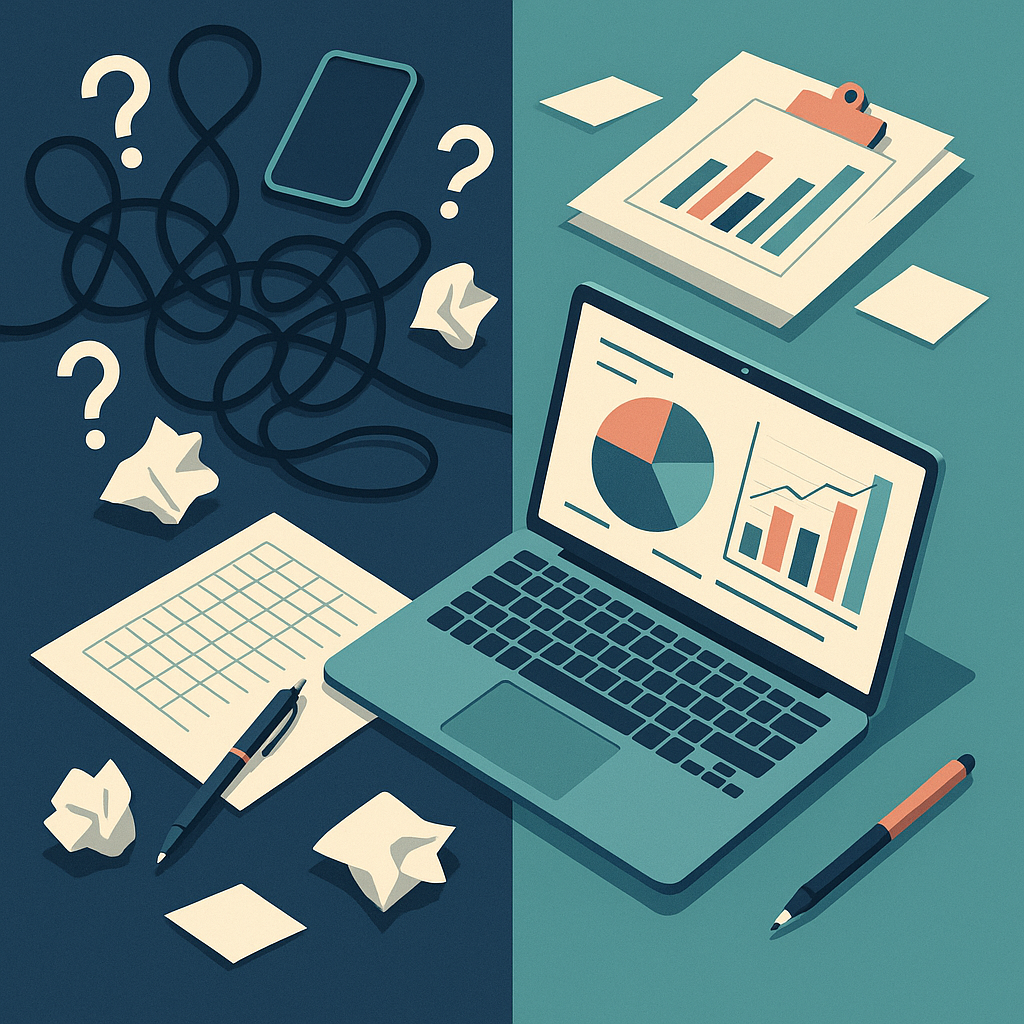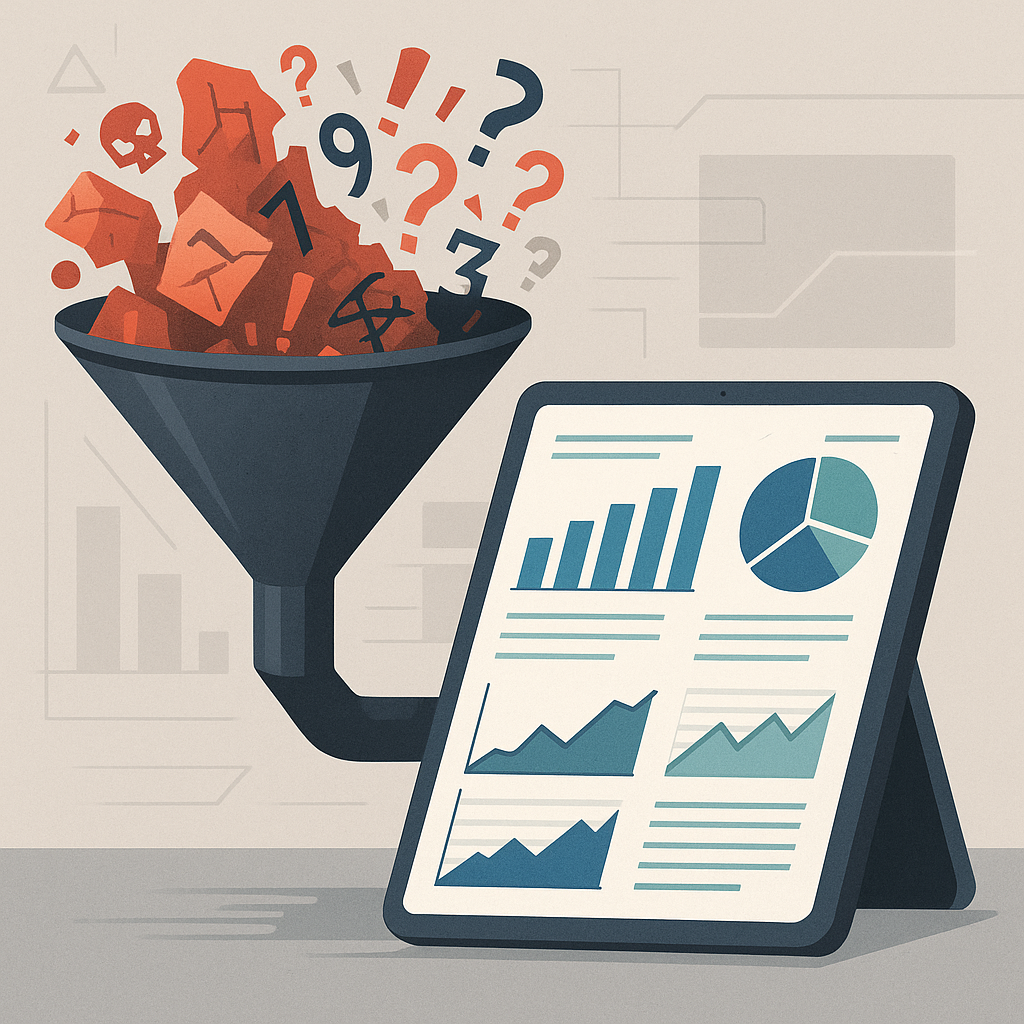
If you think investing in premium accounting software will automatically solve your business reporting problems, you might be setting yourself up for disappointment. While sophisticated software platforms offer powerful capabilities for data processing and report generation, they cannot overcome a fundamental limitation: they can only work with the information you provide them. When financial data quality is compromised at the input stage, even the most advanced systems will produce unreliable results.
In the world of financial management, data integrity represents the foundation upon which all meaningful analysis rests. Business owners often focus intensely on selecting the right software solutions, comparing features, and implementing new systems, but they frequently overlook the critical importance of ensuring that accurate, complete information enters those systems from the start.
The Data Quality Foundation
Financial data quality begins long before information reaches your software platform. It starts with the daily processes and procedures that capture business transactions, the training and oversight of staff members who input data, and the controls that verify accuracy before information becomes part of your permanent records.
Consider the various touchpoints where data enters your system:
- Sales transactions recorded by multiple team members using different methods
- Expense receipts submitted by employees with varying levels of detail
- Vendor invoices processed through manual approval workflows
- Bank transactions requiring proper classification and coding
- Inventory counts that may include estimation or measurement errors
Each of these entry points represents an opportunity for inaccuracies to enter your system. Accounting software cannot distinguish between correct and incorrect information–it simply processes whatever data it receives according to its programmed rules.
When Software Amplifies Problems
Advanced accounting software can actually magnify the impact of poor data integrity. Automated calculations, allocations, and reporting functions will systematically propagate errors throughout your entire financial system. What might have been a simple mistake in manual bookkeeping can become a complex web of interconnected inaccuracies that affect multiple reports and analyses.
The sophistication of modern software can also create a false sense of security. Professional-looking reports generated by reputable software platforms can appear authoritative and accurate even when they’re based on flawed underlying data. This can lead business owners to make important decisions based on fundamentally unreliable information.
Examples of how business reporting problems compound include:
Automated Categorization Errors: Software that mis-categorizes transactions based on incomplete or unclear descriptions will consistently produce incorrect expense reports.
Calculation Cascade Effects: A single data entry error can affect multiple calculations, ratios, and trend analyses across different reports.
Integration Inconsistencies: When data flows between different software systems, formatting or timing discrepancies can create systematic distortions.
The Human Element in Data Quality
Maintaining financial data quality requires recognizing that technology is only as reliable as the human processes that support it. Staff training, clear procedures, and quality control measures are essential components of any effective financial system.
Key areas where human oversight remains crucial include:
Transaction Classification: Ensuring that revenues, expenses, and other transactions are coded correctly according to your chart of accounts and business requirements.
Completeness Verification: Confirming that all relevant transactions have been captured and that no information has been omitted or duplicated.
Accuracy Review: Implementing checks and balances to catch errors before they become embedded in your financial records.
Context Understanding: Recognizing when unusual transactions or circumstances require special handling that software cannot automatically accommodate.
Building Reliable Financial Systems
Effective accounting software implementation requires equal attention to technology capabilities and data quality processes. The most powerful software features become meaningless when they operate on unreliable information.
To ensure data integrity, organizations should focus on:
Process Documentation: Clear, written procedures for how different types of transactions should be recorded and classified.
Training Programs: Regular education for all staff members who input financial data, ensuring they understand both the technical requirements and the business importance of accuracy.
Quality Controls: Systematic reviews and validation procedures that catch errors before they affect important reports or decisions.
Exception Management: Protocols for handling unusual or complex transactions that don’t fit standard processing rules.
Conclusion
The relationship between financial data quality and reliable business reporting is fundamental and unbreakable. Accounting software, regardless of its sophistication, cannot create accurate reports from inaccurate data. While technology can provide powerful tools for analysis and reporting, it cannot substitute for careful attention to data integrity at every stage of the financial process.
Business owners who invest in premium software while neglecting data quality processes often find themselves with expensive systems that produce unreliable results. The most effective approach combines robust technology with rigorous attention to the accuracy and completeness of the information that feeds those systems.
Remember: your financial reports are only as good as the data they’re built upon. Before investing in new software capabilities, ensure that your organization has the processes and controls necessary to maintain the data integrity that makes those capabilities valuable.